October 20, 2026
Hydraulic systems power essential equipment across construction, manufacturing, agriculture, and other industries. These systems use pressurized fluid to operate machinery efficiently, but worn components, fluid contamination, and mechanical failures can interrupt operations. Understanding common hydraulic repairs helps equipment owners recognize warning signs, reduce downtime, and protect valuable machinery. Regular inspections and timely professional service can also prevent minor problems from developing into expensive equipment failures. Scheduling hydraulic repairs as soon as issues appear can help maintain consistent performance and avoid more extensive component damage.
Identifying and Repairing Hydraulic Leaks
Recognizing Common Leak Symptoms
Hydraulic leaks are among the most noticeable problems affecting system performance. Puddles beneath machinery, declining fluid levels, and visible moisture around fittings can indicate a leak. Operators may also notice reduced pressure, sluggish movements, or inconsistent equipment operation. Addressing these warning signs quickly helps prevent fluid loss, protects surrounding components, and reduces the risk of unexpected downtime.
Understanding the Causes of Leaks
Leaks often develop when hoses, fittings, or seals deteriorate from age, pressure fluctuations, vibration, or environmental exposure. Improper installation and incompatible hydraulic fluid can also contribute to component damage. According to MachineryLubrication.com, at least 75 percent of all hydraulic systems fail due to contaminated or aging hydraulic fluid. Maintaining clean fluid and following recommended service intervals can therefore help protect seals and other components while reducing the likelihood of future problems.
Choosing Reliable Repair Solutions
Temporary fixes rarely provide a dependable long-term solution for a damaged hydraulic system. Replacing worn seals, tightening appropriate connections, or installing a compatible hose can address the underlying cause. A qualified technician can determine whether individual components need repair or replacement. Prompt professional attention helps restore system pressure, minimize fluid waste, and maintain safe equipment operation. Professional hydraulic repairs also help identify underlying issues that could otherwise cause recurring leaks.
Replacing Damaged Hydraulic Hoses
Recognizing When Hoses Need Replacement
Hydraulic hoses withstand considerable pressure during normal operation, but repeated flexing, heat, abrasion, and age can weaken their construction. Cracks, bulges, exposed reinforcement, stiff sections, and fluid seepage are important warning signs. A hose that has become damaged may fail suddenly, potentially releasing pressurized fluid and creating a serious safety hazard. Regular inspections help identify deterioration before a complete failure occurs. Arranging hydraulic repairs when hoses show early signs of wear can reduce the risk of sudden failures, fluid loss, and equipment downtime.
Selecting the Right Replacement Hose
Choosing a replacement requires more than matching the hose's length and diameter. Technicians must consider operating pressure, temperature, fluid compatibility, and the machine's specific requirements. Rubber hoses offer flexibility for many applications, while reinforced designs support demanding pressure conditions. Thermoplastic options may suit specialized systems where weight, flexibility, or environmental resistance matters. Selecting the correct hose helps maintain dependable flow and reduces premature wear.
Diagnosing and Repairing Hydraulic Pumps
Identifying Pump Failure Symptoms
Hydraulic pumps generate the flow needed to operate system components. When a pump begins to fail, operators may notice whining, knocking, excessive vibration, overheating, or reduced pressure. Machinery might respond slowly or struggle to perform tasks that were previously routine. These symptoms can indicate internal wear, restricted fluid supply, or other problems that require further investigation. Timely hydraulic repairs can restore pump performance and help prevent additional damage to connected components.
Evaluating Repair and Replacement Options
Determining whether a pump should be repaired or replaced depends on its condition, the extent of internal damage, and the cost of restoring reliable performance. Some problems can be resolved by replacing worn components, while severe damage may make a replacement more practical. Technicians should also investigate why the pump failed rather than simply correcting the immediate symptom. Identifying the underlying cause helps prevent similar problems from affecting the repaired or replacement equipment.
Correcting Hydraulic Valve Malfunctions
Recognizing Common Valve Problems
Hydraulic valves regulate fluid direction, pressure, and flow throughout a system. When a valve sticks, leaks, or responds inconsistently, machinery may move unpredictably or struggle to maintain the required pressure. Dirt buildup, worn internal components, damaged seals, and incorrect adjustments can interfere with normal operation. Even relatively small valve problems can affect the performance of an entire hydraulic system.
Diagnosing Valve Performance Issues
Effective troubleshooting begins with checking for visible damage, leaks, and signs of contamination. Technicians can then evaluate operating pressure, fluid flow, and valve response to identify the source of the malfunction. Depending on the findings, the solution may involve cleaning suitable components, replacing damaged seals, or installing a replacement valve. Careful diagnosis helps ensure that repairs address the actual problem instead of temporarily masking its symptoms.
Maintaining Consistent Valve Operation
Clean hydraulic fluid and regular inspections support dependable valve performance. Technicians should also verify that valves are correctly installed and suitable for the system's pressure and flow requirements. Addressing unusual movements or pressure changes early can prevent additional wear and operational interruptions. Routine servicing helps maintain precise equipment control and reduces the likelihood of recurring malfunctions.
Replacing Worn Hydraulic Seals
Understanding the Purpose of Hydraulic Seals
Hydraulic seals prevent fluid from escaping and help maintain the pressure required for equipment operation. They also limit contamination in areas where clean internal surfaces are essential. Over time, exposure to heat, pressure, chemicals, and repeated movement can cause seals to harden, crack, or lose their shape. Damaged seals may lead to leaks, reduced efficiency, and increased strain on other components.
Recognizing Signs of Seal Deterioration
Fluid collecting around joints, fluctuating pressure, and declining equipment performance can indicate seal problems. During an inspection, technicians may discover hardened, brittle, swollen, or visibly damaged sealing materials. The correct replacement depends on the equipment design, operating conditions, and hydraulic fluid being used. Installing a compatible seal helps restore system integrity and reduces the chance of repeated leakage.
Preventing Recurring Seal Problems
Replacing a seal alone may not solve the issue if excessive heat, contamination, pressure spikes, or misalignment caused the original damage. A thorough inspection can reveal whether nearby surfaces or other components also require attention. Maintaining appropriate fluid conditions and operating within recommended limits further protects replacement seals. These steps help preserve system efficiency and improve long-term reliability.
Restoring Hydraulic Cylinder Performance
Identifying Cylinder Damage
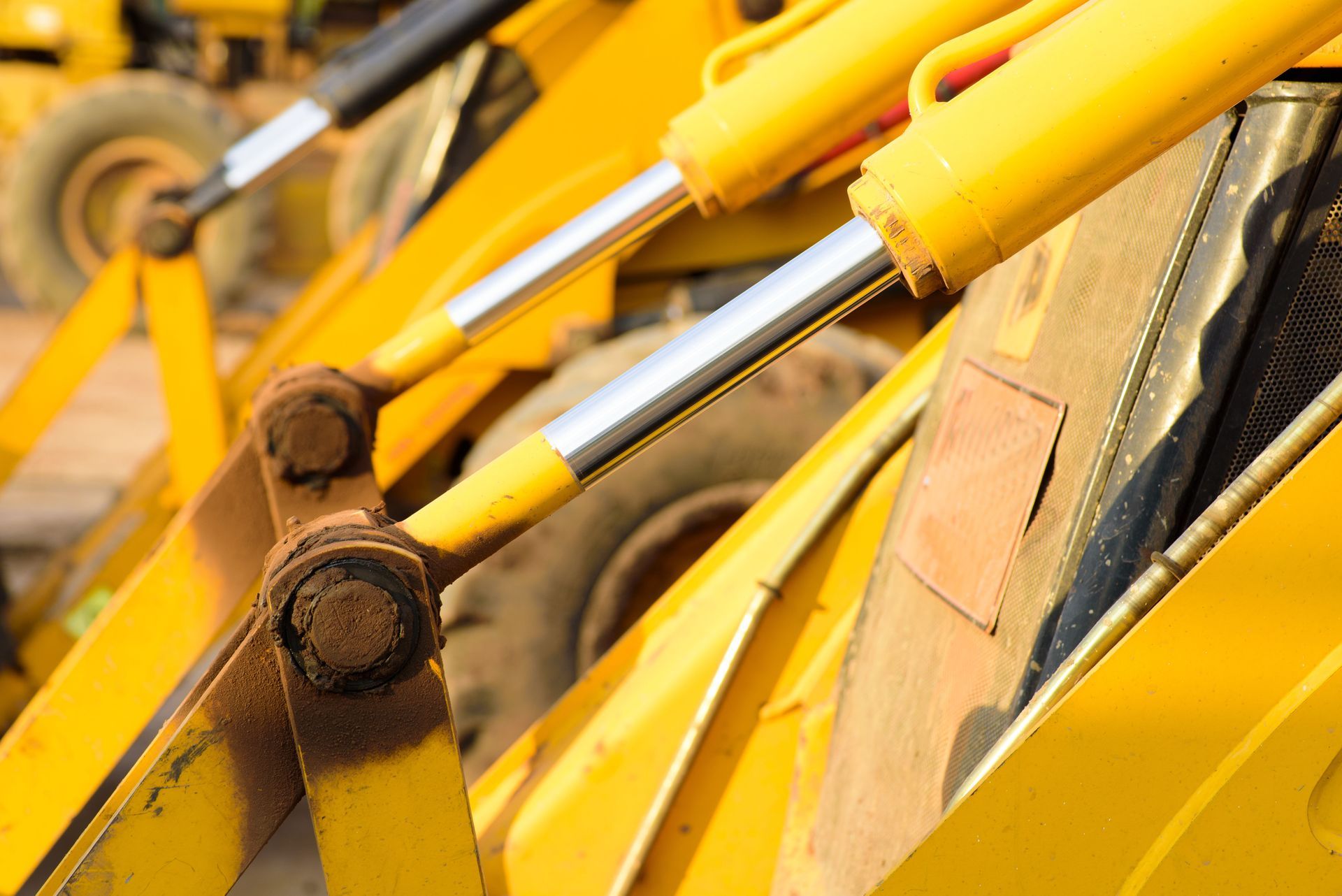
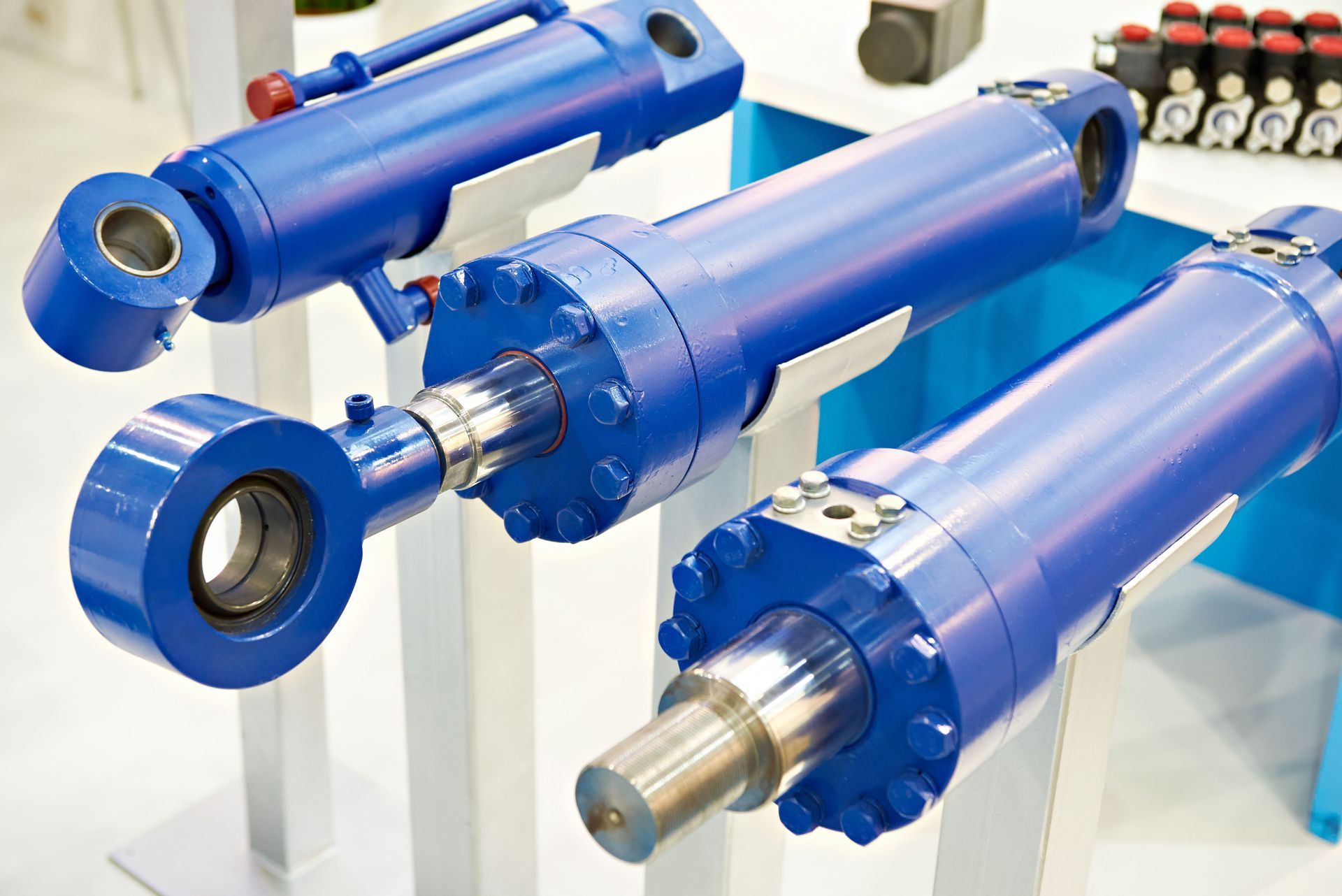
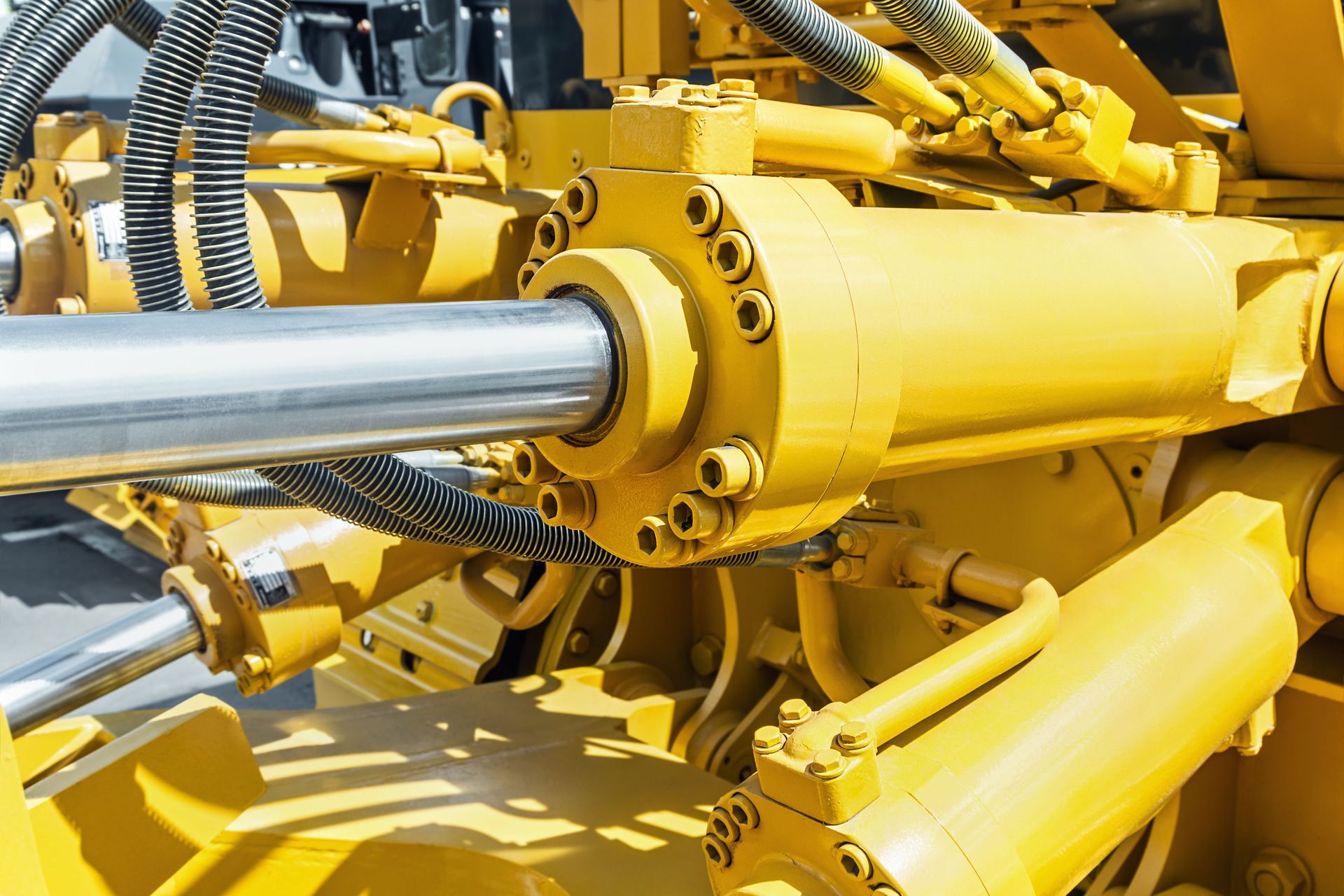
Hydraulic cylinders convert fluid pressure into linear movement, making them essential for lifting, pushing, pulling, and positioning heavy loads. Signs of trouble include external leaks, uneven movement, reduced lifting capacity, and difficulty extending or retracting. Scratches on the cylinder rod may damage seals, while internal wear can cause pressure loss and inconsistent performance. Prompt inspection helps determine whether the problem involves seals, internal components, or external damage.
Understanding Common Cylinder Failures
Cylinder problems can develop because of contaminated fluid, excessive loads, inadequate lubrication, misalignment, or worn sealing components. Dirt and abrasive particles may damage internal surfaces, while operating beyond recommended pressure limits can place excessive stress on the assembly. Improper installation can also cause uneven wear. Identifying these contributing factors is important for preventing the same failure from happening again.
Completing the Cylinder Repair Process
Professional cylinder servicing generally involves safely removing the assembly, inspecting its components, and identifying damaged or worn parts. Depending on the findings, technicians may replace seals, address surface damage, or repair other internal components. The cylinder must then be reassembled correctly and tested to verify smooth movement and reliable operation. Thorough testing confirms that the hydraulic repairs have restored the cylinder's intended performance.
Protecting Equipment With Timely Hydraulic Service
Leaks, damaged hoses, pump failures, valve malfunctions, worn seals, and cylinder problems are common issues that can affect hydraulic equipment. Recognizing early warning signs and arranging appropriate hydraulic repairs helps reduce downtime, control operating costs, and protect machinery from further damage. Consistent inspections, clean fluid, and adherence to manufacturer recommendations also contribute to dependable performance.
When equipment shows signs of hydraulic trouble, professional diagnosis can help identify the underlying cause and determine the most effective solution. Contact Rivas Hydraulics LLC to discuss your equipment's needs and explore service options that support reliable hydraulic operation. Addressing problems early can help keep machinery working efficiently and reduce the risk of unexpected interruptions.