October 12, 2026
Hydraulic systems play an important role in industrial machinery, construction equipment, and marine applications. Pumps, motors, cylinders, valves, and hoses work together to transfer hydraulic power and support equipment operation. When these components develop leaks, wear, or performance problems, proper diagnosis and repair can help restore system function and address the underlying cause of the issue. Professional hydraulic services can help businesses assess component condition and determine appropriate repairs. Understanding hydraulic system components, maintenance needs, and common equipment problems can help businesses make informed decisions about caring for their machinery.
Essential Hydraulic Components
Understand Hydraulic Systems
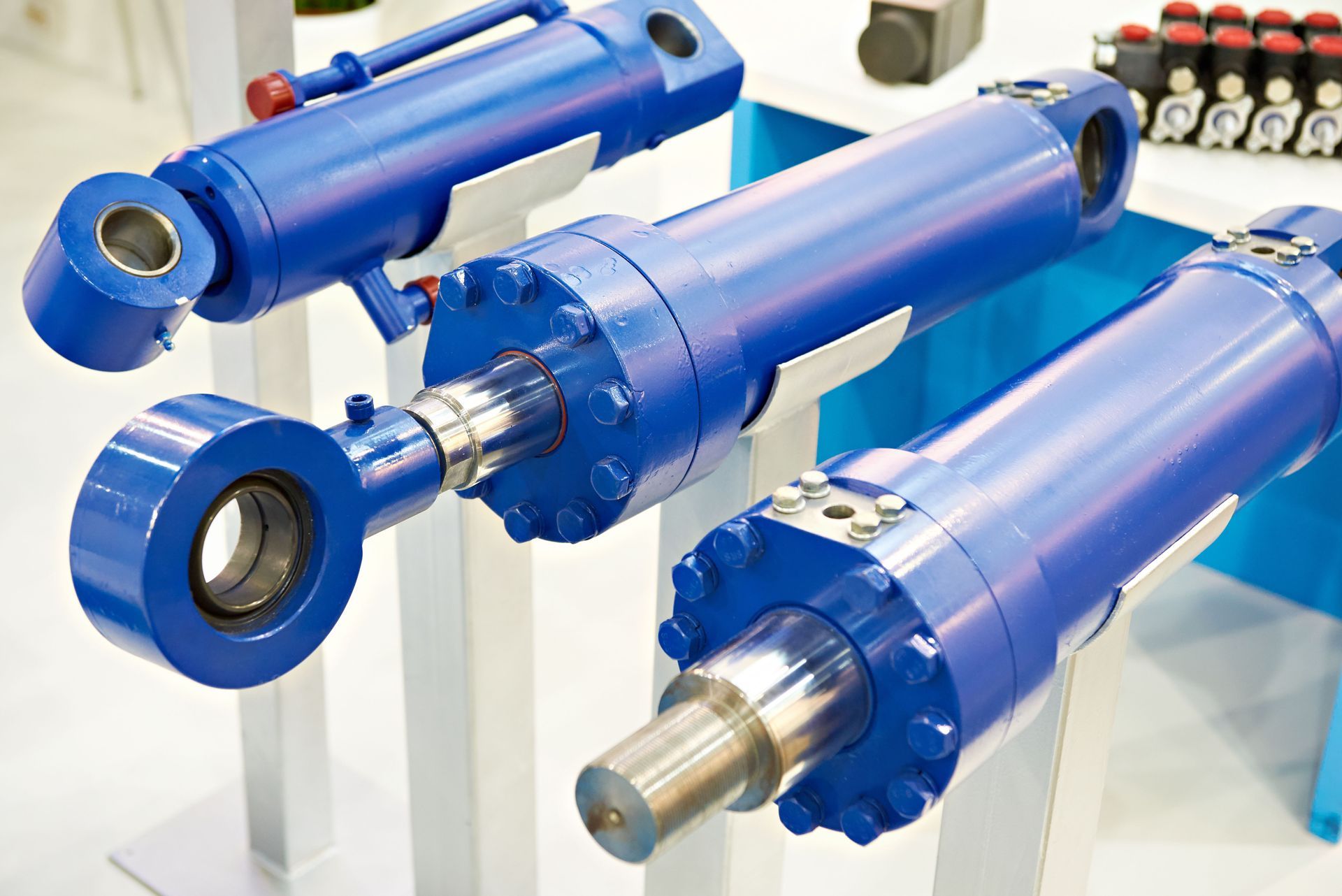
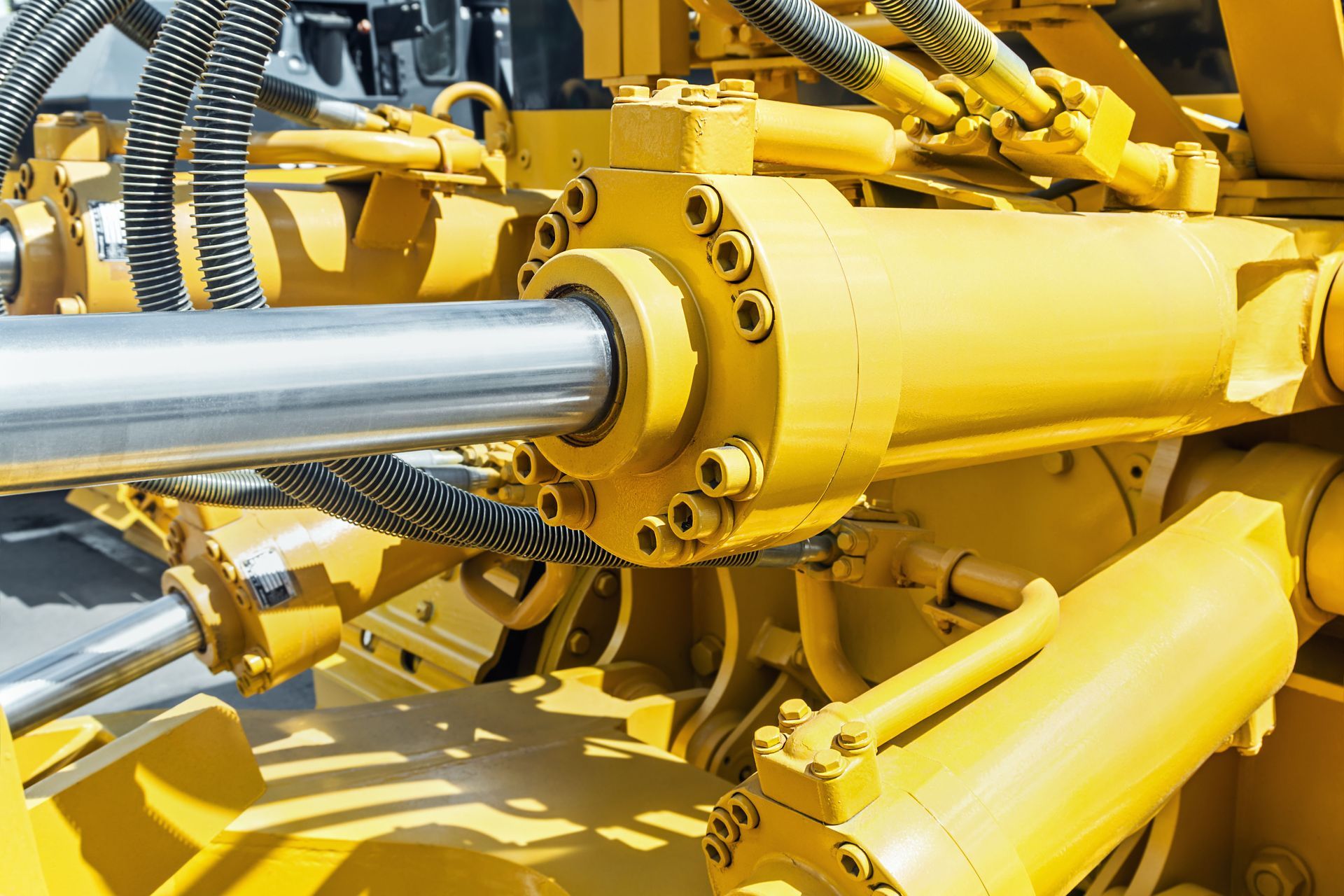
Hydraulic systems use pressurized fluid to transmit power to machinery and equipment. These components include pumps, motors, cylinders, valves, and hoses, each serving a specific function in the movement and control of hydraulic fluid. These systems support industrial equipment, construction machinery, and marine applications, where proper component operation is important to equipment performance.
Hydraulic components experience wear and other operating issues over time. Leaking seals, damaged cylinder rods, worn pump components, malfunctioning valves, and deteriorating hoses can affect system operation. Identifying the source of a problem helps determine which components require repair or rebuilding.
Maintain Key Hydraulic Components
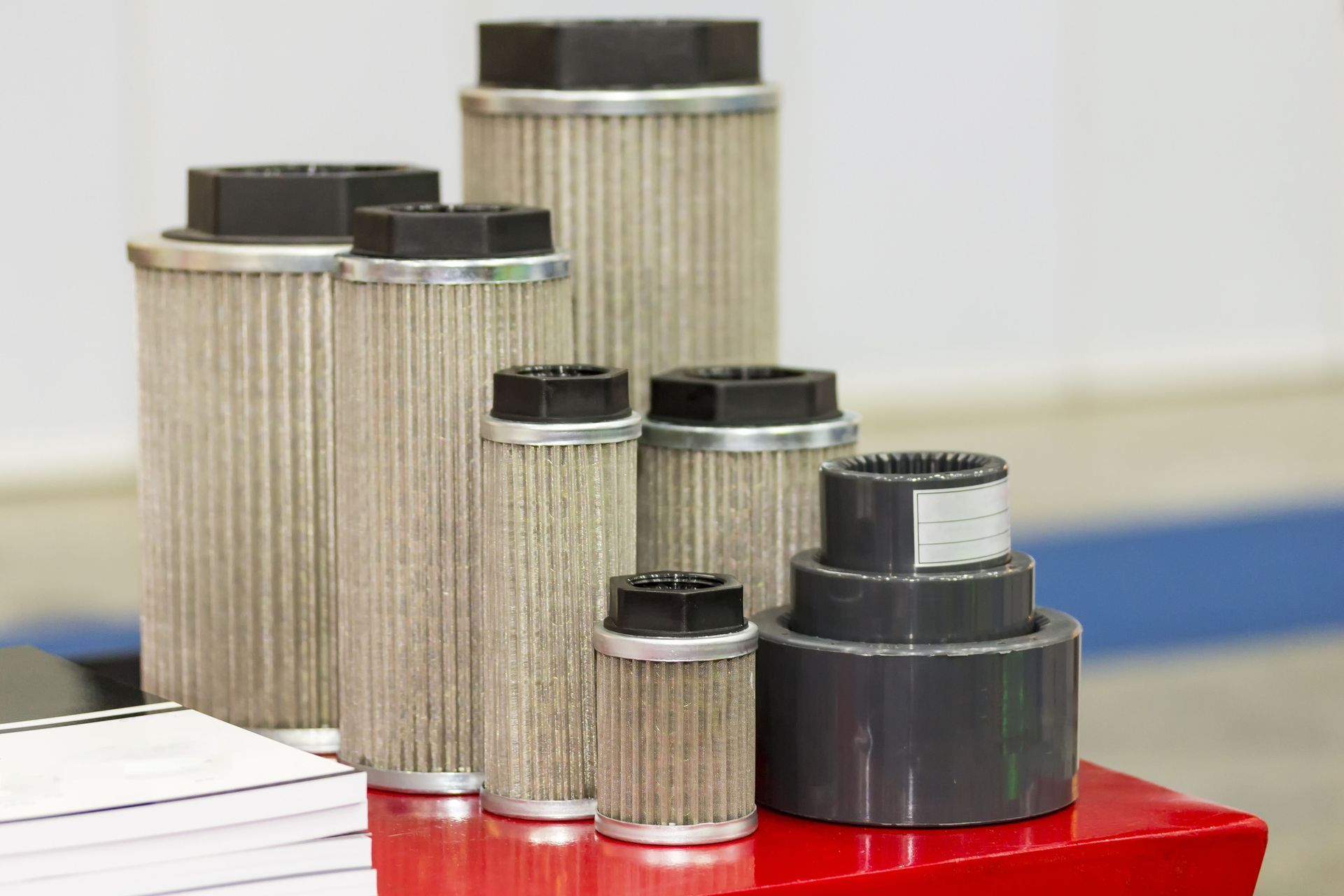
Hydraulic pumps and motors generate and transmit power within a hydraulic system, while cylinders convert hydraulic pressure into linear movement. Valves regulate the direction, pressure, and flow of hydraulic fluid, and hoses carry fluid between system components. Problems with any of these parts can affect overall equipment operation.
Evaluate Hydraulic Equipment Needs
Choosing the appropriate hydraulic service begins with understanding the equipment's purpose, operating conditions, and existing system configuration. Hydraulic pumps, motors, cylinders, valves, and hoses perform different functions, so identifying the affected component is an important step when equipment develops a problem. This assessment helps clarify which repairs may be necessary.
Signs such as fluid leaks, inconsistent movement, unusual noise, overheating, and reduced performance can indicate that a hydraulic component needs inspection. An evaluation can help determine whether a repair, component rebuild, replacement, or broader system service is appropriate. The recommended work depends on the symptoms and the condition of the affected parts.
Practical Hydraulic Maintenance
Maintain Equipment Performance
Hydraulic equipment performance depends on the condition of its components and the proper operation of the overall system. Worn seals, damaged hoses, malfunctioning valves, and pump or motor problems can interfere with normal equipment operation. Identifying these issues and addressing them through appropriate repairs helps restore hydraulic function.
Preventive maintenance can help equipment owners identify developing problems before they cause more extensive damage. Inspections, troubleshooting, component servicing, and hydraulic testing provide useful ways to evaluate system condition and determine whether repairs are needed. The appropriate maintenance steps vary with the equipment and its operating requirements.
Identify Hydraulic System Problems
Hydraulic equipment can develop problems that affect pressure, movement, and overall operation. Fluid leaks, unusual noise, overheating, vibration, and inconsistent performance are signs that a component may require inspection. Identifying these symptoms helps equipment owners determine when professional service is needed.
Test and Service Hydraulic Components
Hydraulic components must operate together for equipment to function as intended. Problems with pumps, motors, cylinders, hoses, or valves can affect fluid pressure, movement, and system performance. Testing and inspection help identify component issues and establish appropriate repair requirements.
Hydraulic component service can include pump and motor rebuilding, cylinder repair, valve cleaning, and valve testing. Depending on the equipment's condition, maintenance may also involve replacing worn seals or other damaged parts. The type of service selected should address the specific issue identified.
Improve Hydraulic System Condition
Hydraulic equipment requires attention to component condition, fluid-related problems, and the demands of its operating environment. Leaks, contamination, worn seals, damaged rods, and malfunctioning valves can interfere with normal operation. Recognizing these problems helps determine the appropriate service requirements.
Versatile Hydraulic Applications
Service Construction Equipment
Construction and demolition equipment uses hydraulic systems to power machinery and attachments. Hydraulic breakers, cylinders, pumps, motors, and hoses can experience wear through regular use. When these components develop problems, repairs and maintenance help address the causes of reduced performance.
Hydraulic breaker services may include troubleshooting, rebuilding, seal replacement, bushing repairs, and working-tool replacement. Pump and motor repairs, and cylinder rebuilding can also address issues affecting other hydraulic equipment. The appropriate work depends on the equipment and the condition of its components.
Maintain Industrial Machinery
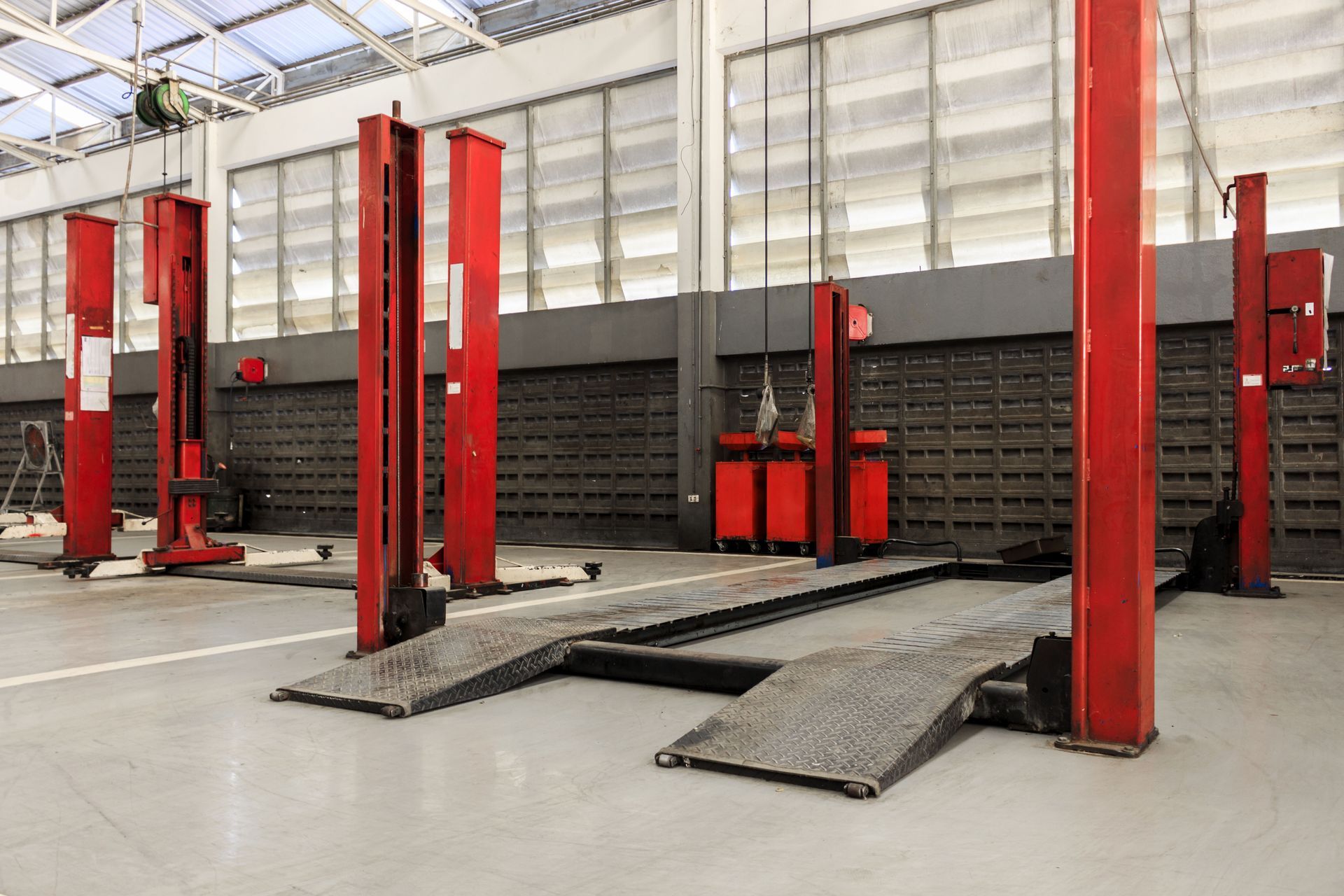
Industrial machinery relies on hydraulic components to support equipment operation. Pumps generate fluid flow, valves regulate hydraulic pressure and direction, and cylinders provide linear movement. Damage or wear affecting these components can interfere with normal machine function.
Hydraulic system diagnostics, component repairs, pump and motor rebuilding, valve servicing, and preventive maintenance can help address equipment problems. The appropriate service depends on the machinery, the affected components, and the symptoms identified during inspection. Regular evaluation can help determine when maintenance or repairs are needed.
According to Neeljym.com, with hydraulic automation, companies can experience up to a 50% increase in production speed while maintaining consistent quality standards. Automation may be relevant to some hydraulic applications, depending on the equipment and system configuration. Any service decisions should account for the machinery's actual requirements.
Address Marine Hydraulic Needs
Marine hydraulic systems operate in environments that can expose equipment to saltwater, corrosion, and demanding operating conditions. Hydraulic hoses, cylinders, pumps, motors, and other components may require specialized attention to address wear and maintain proper operation. Regular inspections can help identify issues associated with these conditions.
Marine hydraulic services can include system troubleshooting, component repair, pump and motor rebuilding, cylinder service, and custom hose assembly. Selecting appropriate materials for marine applications is important when addressing exposure to corrosive conditions, pressure requirements, and temperature changes. The specific needs depend on the system and its operating environment.
Preventive Maintenance Essentials
Recognize Signs of Wear
Fluid leaks, unusual noises, overheating, inconsistent movement, and reduced performance can indicate problems with hydraulic equipment. These symptoms may originate from damaged hoses, worn seals, malfunctioning valves, or pump and motor issues. Paying attention to changes in equipment operation helps identify when an inspection is needed.
Addressing problems promptly can help limit additional component damage. A proper evaluation helps establish whether the equipment needs a minor repair, component rebuilding, replacement parts, or more extensive hydraulic service. The necessary work depends on the cause and extent of the problem.
Plan Routine Maintenance
Preventive maintenance involves evaluating equipment condition and addressing developing problems before they cause more extensive damage. Depending on the system, maintenance may include inspecting hoses and connections, checking for leaks, examining hydraulic cylinders, servicing pumps and motors, and evaluating valve operation. The procedures should reflect the equipment's design and operating conditions.
Maintenance needs vary according to equipment design, operating conditions, and component condition. Keeping track of recurring problems and arranging appropriate service can help equipment owners make informed decisions about ongoing maintenance. This approach can also help identify components that require closer attention.
Evaluate Repairs and Testing
Once hydraulic equipment has been repaired, testing can help assess component operation and identify remaining concerns. Pressure testing, hydraulic system testing, and calibration may be appropriate depending on the equipment and the work performed. The required tests vary with the system and the type of repair.
Maintaining hydraulic equipment requires regular attention to component condition, timely repairs, and preventive maintenance. Services such as cylinder repair, pump and motor rebuilding, hose assembly, valve servicing, and marine hydraulic maintenance address equipment needs across various applications. Rivas Hydraulics LLC provides hydraulic repair and maintenance services for industrial equipment and marine applications throughout the Fort Lauderdale area. Visit the website to learn more about available services and how they can support your hydraulic equipment needs.