August 21, 2026
Hydraulic systems supply power to machinery, allowing heavy equipment to move massive loads with ease. Hydraulic fluid travels through pressurized lines to generate linear movement, giving machines the force needed for demanding tasks. Taking proactive care of your hydraulic cylinders keeps your heavy machinery running smoothly when you need it most.
Knowing how these fluid-powered components function helps equipment owners notice minor issues before disruptions occur. A system relies on balanced pressure, clean fluid, and tight mechanical seals working together. When every component stays in good condition, your equipment operates with steady precision.
Operating Heavy Equipment Components
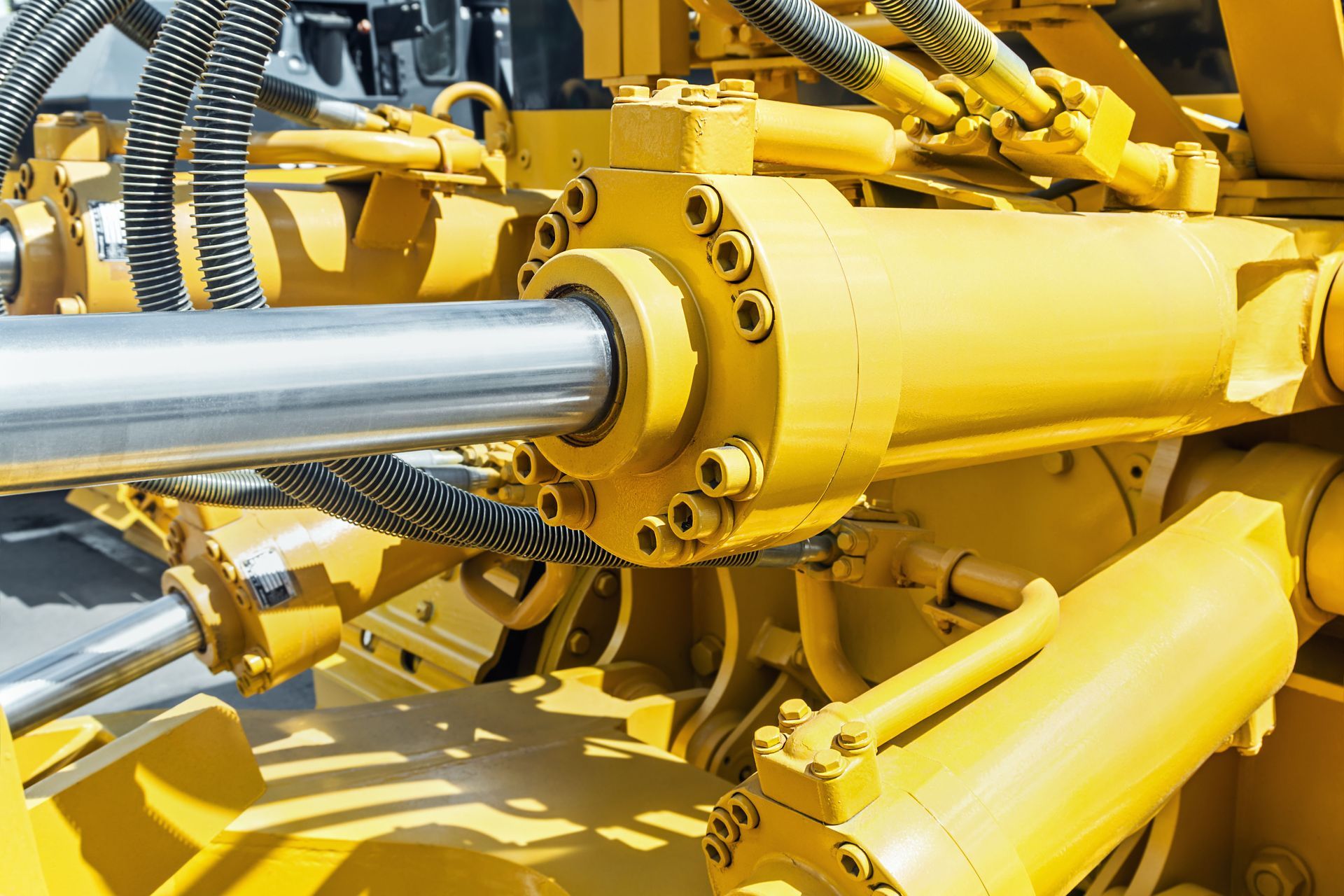
A typical cylinder features several essential mechanical parts that work together to produce linear motion. The outer barrel holds high-pressure fluid, while the internal piston slides back and forth inside the housing. Attached to the piston, the steel rod extends and retracts to move external machinery arms.
Seals and end caps protect these internal components from dirt while keeping pressurized fluid from escaping. Because seals experience constant motion and friction, they require regular attention to maintain a proper hold. Keeping every mechanical component aligned prevents uneven wear and protects the entire fluid system.
Recognizing Common Hydraulic Applications
Fluid-powered equipment plays an important role across many major industries, including construction, farming, and manufacturing. Heavy excavators and loaders rely on fluid power to lift soil, stone, or heavy materials. In manufacturing facilities, powerful hydraulic presses form metal components with steady, repeatable force.
Agricultural equipment like tractors and harvesters also depends on fluid power to handle tough daily field operations. Because these machines work in harsh outdoor conditions, their fluid components face constant exposure to dirt, mud, and weather. Routine care ensures that machines in every industry remain ready for heavy daily workloads.
Identifying Frequent Operational Challenges
Heavy daily usage introduces several challenges that impact fluid-powered machinery over time. Dust, metal shavings, and water can contaminate hydraulic fluid, leading to internal scratching along the cylinder barrel. Excessive heat and high operating pressures also cause rubber seals to harden, crack, or leak.
When fluid leaks past damaged seals, the system loses operating pressure and struggles to lift normal loads. External fluid leaks create slippery work areas and waste expensive hydraulic oil. Addressing minor fluid leaks and contamination early prevents extensive damage to surrounding mechanical parts.
Maximizing Equipment Value Through Care
Unplanned equipment breakdowns bring job sites to a halt, causing project delays and lost revenue. When a machine fails during a job, crew members sit idle while waiting for emergency repairs. Establishing a routine checkup helps mechanics spot wear before a breakdown occurs.
Fixing minor issues during scheduled maintenance hours keeps projects moving forward on time. Scheduled checkups allow you to order replacement parts early, avoiding expensive rush shipping fees. Keeping equipment operational protects your business timeline and maintains high daily productivity.
Extending Overall Component Lifespan
Regular maintenance helps equipment owners get maximum usable life out of their machinery investments. Simple actions like cleaning exposed rods and changing dirty fluid protect internal surfaces from unnecessary wear. According to Parker Hannifin, hydraulic cylinders that receive preventive maintenance may last up to 50% longer than those that go without it.
This increase in operational lifespan saves business owners money on premature equipment replacements. Taking care of existing components reduces machinery expenses while preserving equipment performance. Consistent care ensures your machinery delivers reliable service year after year.
Improving Daily Operator Safety
Operator safety remains a top priority on every industrial job site. A sudden loss of hydraulic pressure can cause heavy equipment arms to drop unexpectedly, creating hazards for nearby workers. High-pressure fluid leaks can also cause severe skin injuries if a hose ruptures nearby.
Protecting your hydraulic cylinders from severe wear prevents sudden breakdowns on the job site. Regular inspections verify that holding valves, hoses, and mechanical mountings remain secure under heavy loads. Maintaining safe equipment protects your team members and fosters a secure working environment.
Avoiding Major Machinery Failures
A small failure inside a fluid system can quickly cause widespread damage if ignored. Broken seal particles traveling through hydraulic lines can clog control valves and damage hydraulic pumps. What starts as a minor leak can transform into a complete system overhaul.
Routine maintenance acts as a protective barrier, keeping internal fluids clean and components functioning. Catching minor wear early stops damage from spreading to surrounding mechanical systems. Preventing major failures protects your machinery investment and keeps repair costs manageable.
Executing Routine Inspection Steps
Visual inspections form the foundation of an effective equipment care program. Mechanics should examine exposed piston rods for scratches, pitting, or rust before starting work. Inspecting your hydraulic cylinders for fluid leaks or rod scoring helps catch minor problems early.
Checking the outer barrel for dents ensures the internal piston can travel freely. Mechanics should also inspect mounting pins and bushings for excessive play or movement. Catching visual flaws early allows for quick repairs before structural damage occurs.
Cleaning Internal System Parts
External dirt eventually finds a way past worn wipers if equipment remains dirty. Wiping down exposed metal rods removes caked-on mud and abrasive debris before it enters the fluid housing. Cleaning the exterior of your machinery makes spotting fresh fluid leaks easier during daily walkthroughs.
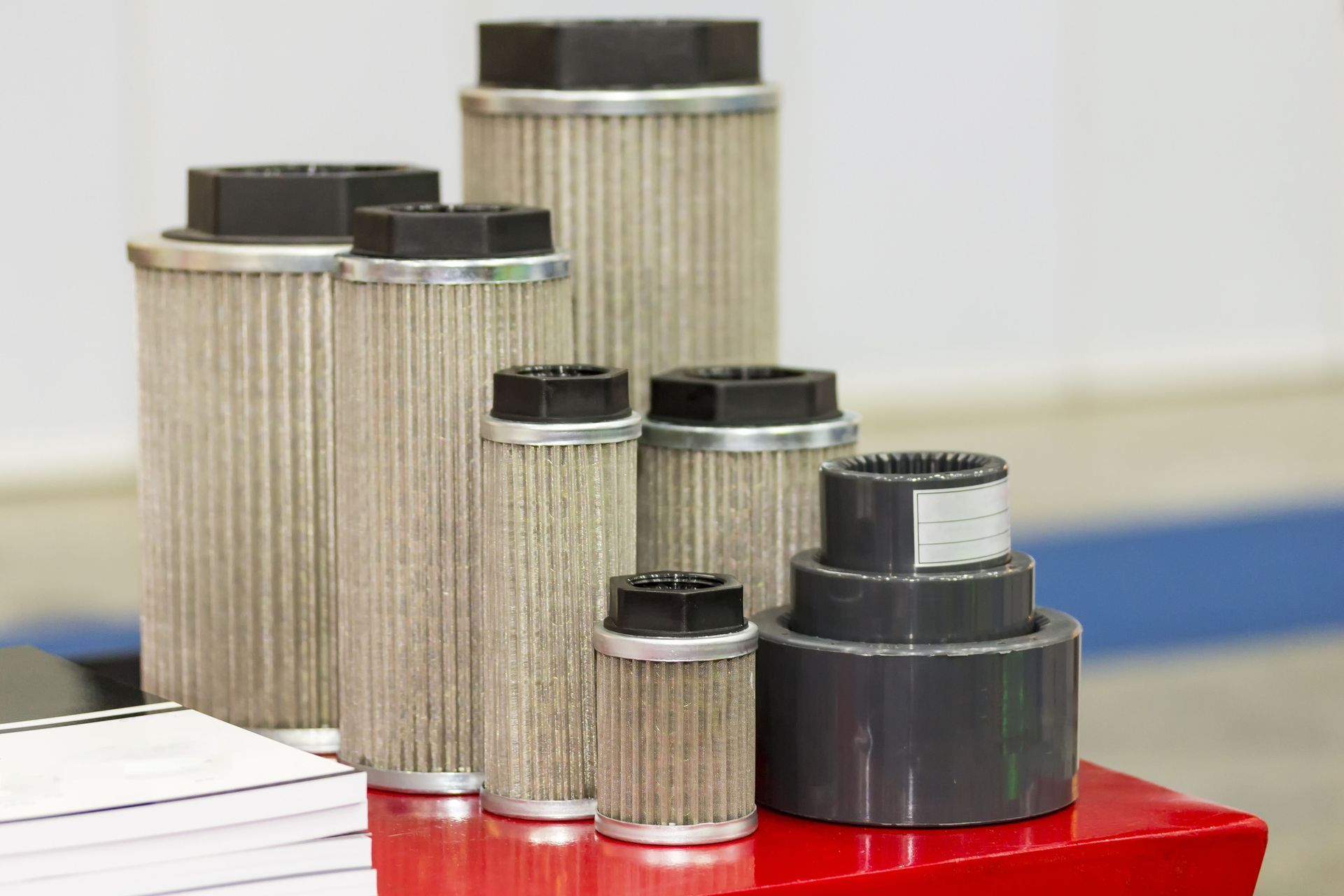
Flushing old fluid and replacing dirty filters removes floating metal particles and grit from circulation. Clean fluid reduces internal friction, cools internal components, and keeps mechanical parts moving smoothly. Regular cleaning practices maintain peak operational efficiency across your entire fleet.
Replacing Worn Component Seals
Rubber seals degrade naturally due to heat, friction, and pressure changes over time. Replacing damaged seals inside hydraulic cylinders restores proper pressure and prevents fluid contamination. Swapping out worn seals before they fail keeps internal fluid where it belongs.
Mechanics should always use high-quality replacement seals matching original manufacturer specifications. Using correct seal materials ensures proper fluid compatibility and temperature resistance. Timely seal replacements prevent pressure loss and keep machinery operating at full strength.
Monitoring Proper Fluid Levels
Hydraulic fluid serves as the lifeblood of your entire fluid power system. Checking fluid levels daily ensures that pumps receive an adequate supply of oil for smooth operation. Low fluid levels introduce air into the system, causing noisy operation, overheating, and jerky mechanical movements.
Inspecting fluid clarity helps mechanics spot water contamination or thermal breakdown. Milky fluid indicates water entry, while dark, burnt-smelling fluid signals excessive heat buildup. Maintaining clean, properly filled fluid reservoirs keeps your equipment running cool and efficient.
Establishing Consistent Maintenance Schedules
Developing a structured maintenance calendar takes guesswork out of equipment care. Scheduling checkups based on operating hours ensures that no machine gets overlooked. Routine schedules should include daily visual walks, monthly fluid checks, or seasonal component overhauls.
Keeping detailed service records helps mechanics track part replacements and predict future maintenance needs. Documenting maintenance histories also increases equipment resale value when updating your machinery fleet. A consistent maintenance schedule ensures reliable machine performance through every working season.
Taking a proactive approach to equipment care preserves machinery value, protects your workforce, and prevents costly project delays. From performing visual checks to replacing worn seals, consistent maintenance keeps your fluid systems operating at full capacity. Investing time into routine equipment care ensures that your machinery remains dependable, efficient, and ready for demanding workloads.
When you need professional maintenance for your hydraulic cylinders, working with experienced professionals ensures long-lasting performance. The dedicated team at Rivas Hydraulics offers expert shop repairs and fabrication tailored to your needs. To keep your heavy machinery working efficiently, contact us today.