May 29, 2026
Hydraulic systems are the literal muscle behind modern industry, powering everything from construction equipment and manufacturing lines to aerospace components. However, even the most robust machinery requires expert care to remain functional. This article explores the key considerations and steps involved in selecting the most suitable hydraulic services to meet specific requirements. Understanding hydraulic systems, evaluating service providers, and considering long-term maintenance are crucial for making informed decisions that impact your bottom line.
As business operations increasingly rely on sophisticated hydraulic systems for enhanced efficiency, the selection process for the right services becomes even more critical. The journey towards optimizing your hydraulic operations starts with a comprehensive insight into your specific needs. This guide will walk you through each crucial step, helping ensure your hydraulic systems run at peak performance with minimal disruptions, while helping you avoid the common pitfalls of inadequate maintenance.
Understanding Your Hydraulic Needs
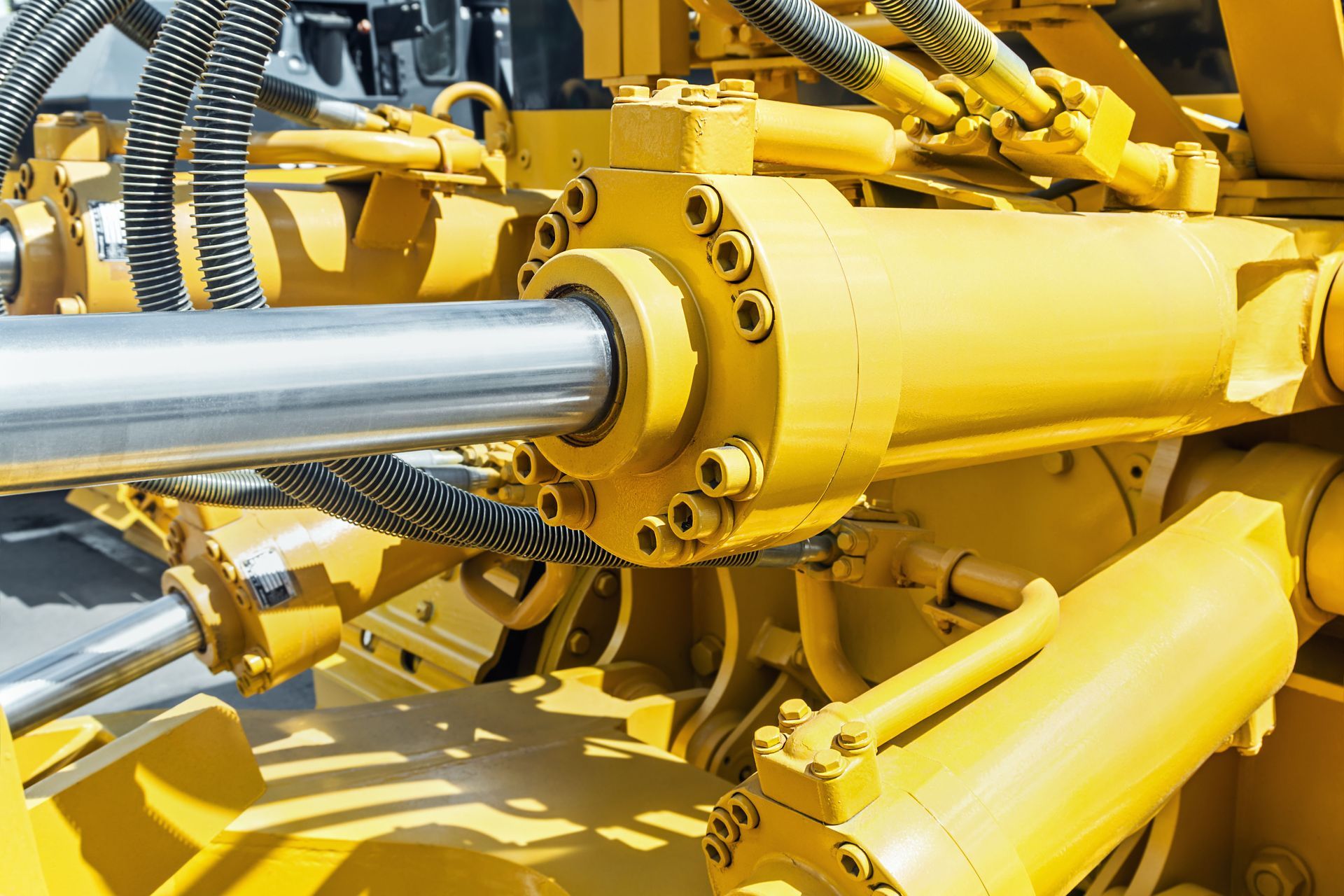
An initial step in choosing the right hydraulic services is to thoroughly assess your current hydraulic systems. This involves examining each component, such as pumps, valves, actuators, and control mechanisms, to ensure they meet operational demands. Understanding the condition and functionality of each element can help identify areas that require immediate attention or long-term upgrades. Often, component efficiency can substantially affect overall system performance, necessitating regular checks. Conducting a detailed assessment allows you to recognize specific service requirements and align them with potential service offerings provided by experts.
Once you have a clear understanding of your hydraulic system's current state, the next step involves defining your operational goals. Are you looking to enhance output efficiency, extend equipment longevity, or simply reduce the frequency of unscheduled downtime? Setting clear objectives will guide your decision-making process when evaluating various hydraulic services. Each goal often requires a tailored approach in terms of maintenance and support. For instance, prioritizing system longevity may necessitate regular preventive maintenance, whereas efficiency improvements might involve system upgrades or the integration of modern sensors.
Despite their robustness, hydraulic systems can encounter issues that affect performance. Common problems include fluid leaks, erratic system pressure, excessive noise, or overheating. Identifying these problems early can prevent costly downtime or total system failures. Addressing issues such as fluid contamination or component wear promptly is essential to maintaining system reliability.
Furthermore, analyzing your hydraulic system's usage patterns can provide valuable insights. Consider how frequently the system is operated and the load each component bears. Heavy-duty use demands more frequent hydraulics to prevent accelerated wear and tear. Acknowledging these factors is crucial for ensuring the system remains operational and efficient over time.
Your budget significantly influences the level of care you can afford. It is important to assess how much you are willing to spend on maintenance, repairs, and potential upgrades. Investing in premium hydraulic services can enhance system performance and longevity, potentially offering long-term savings that far outweigh the initial cost.
According to Neeljym.com, businesses can achieve a 20% reduction in operational costs due to improved system efficiency, reduced downtime, and lower maintenance requirements with electro-hydraulic integration.
Aligning your financial constraints with your hydraulic needs will ensure a balanced approach to achieving your operational goals without compromising the safety or integrity of your equipment.
Researching Hydraulic Service Providers
One of the first steps in finding the right partner is to research local providers. Accessibility plays a crucial role in ensuring timely support, which becomes especially important during emergencies when every hour of downtime translates to lost revenue. Local providers often offer more personalized service due to their proximity and familiarity with regional industry standards.
To narrow down your list, look at reviews and testimonials. Feedback from past clients provides invaluable insights into the reliability and competence of a company. Positive feedback often indicates good customer service and technical expertise—two crucial factors in service quality. Moreover, client testimonials can reveal how well a provider responds to high-pressure situations or complex mechanical emergencies.
Industry certifications serve as a benchmark of quality and professionalism. Certified companies are often well-versed in the latest industry standards and safety protocols. These certifications indicate a provider's commitment to maintaining up-to-date knowledge in a rapidly evolving field.
Additionally, the range of services offered by a provider can significantly impact your decision. A comprehensive service portfolio might include everything from initial installation and emergency repair to preventive maintenance and full system overhauls. This versatility proves advantageous in handling the various issues that could arise within your hydraulic systems over several years of operation.
Evaluating Service Quality
Technical expertise is a pivotal aspect of quality. Providers should possess not only the skills to repair and maintain equipment but also the knowledge to optimize system performance. Skilled technicians can accurately diagnose issues, recommend suitable solutions, and improve overall system efficiency.
Furthermore, the tools and technology used by hydraulic services can greatly impact effectiveness. Companies leveraging modern diagnostic technology often deliver faster and more precise results. Up-to-date equipment ensures more accurate readings, reducing the risk of misidentified issues. Providers equipped with advanced technology are usually at the forefront of industry advancements, making them ideal partners for long-term collaboration.
Getting Detailed Quotes and Proposals
Obtaining detailed quotations allows for an accurate comparison of cost and value. Transparent quotes should itemize expected costs, including labor, parts, and any additional fees for travel or emergency hours. These quotations form the basis for weighing the suitability of various providers against your operational goals. It is always wise to solicit quotes from multiple sources to gain a broader view of the market spectrum.
Clarity in the scope of work helps ensure that both parties have aligned expectations. Proposals should clearly outline the tasks covered, timelines, and deliverables. A well-defined scope prevents misunderstandings or disputes during the middle of a project.
Additionally, understanding payment terms forms a crucial part of the planning process. Evaluate how the provider structures payments—whether through installments, upon completion, or on a monthly retainer for maintenance. Clear payment terms facilitate better financial planning and help avoid conflicts down the line.
Considering Long-Term Maintenance and Support
Regular maintenance significantly reduces the risk of unexpected failures. Many high-quality hydraulic services offer comprehensive maintenance agreements that provide added benefits like priority scheduling or discounted emergency support.
In the hydraulic industry, downtime can accrue massive costs, making emergency support options indispensable. Ensure that your chosen provider offers robust emergency response mechanisms. Discussing availability and guaranteed response times before a crisis occurs can save your operations from devastating losses.
As technology advances, keeping your systems up-to-date ensures they perform effectively and meet increasing demands. Providers offering expertise in system upgrades can help implement new technologies, such as electro-hydraulic integration, which bolsters efficiency. As previously mentioned, the shift toward these integrated systems can lead to substantial cost reductions, highlighting the importance of forward-thinking service planning.
Selecting the right hydraulic services is a multifaceted process that involves a comprehensive assessment of your needs, thorough research, and a commitment to quality over the lowest initial bid. By following this guide, you can secure a partner that not only repairs your machinery but also optimizes it for the future. Making an informed decision today ensures the optimal performance and longevity of your hydraulic systems for years to come.
For those seeking unparalleled expertise, rapid response times, and a commitment to operational excellence, look no further than the professionals at Rivas Hydraulics. Our team is ready to help you achieve the efficiency and reliability your business deserves. Contact us today to discuss your system requirements and discover how a dedicated partnership can transform your hydraulic operations.