March 16, 2026
Hydraulic technology plays a central role in modern industrial performance. From manufacturing plants to construction sites, hydraulic systems provide the controlled force required to move heavy loads and power complex machinery. At the heart of these systems is the hydraulic cylinder, a device designed to transform pressurized fluid into powerful linear motion. Its reliability, efficiency, and adaptability make it indispensable across numerous industries. By understanding how these systems function and how they are maintained, organizations can unlock greater productivity while maintaining consistent operational standards.
Understand Hydraulic Cylinder Fundamentals
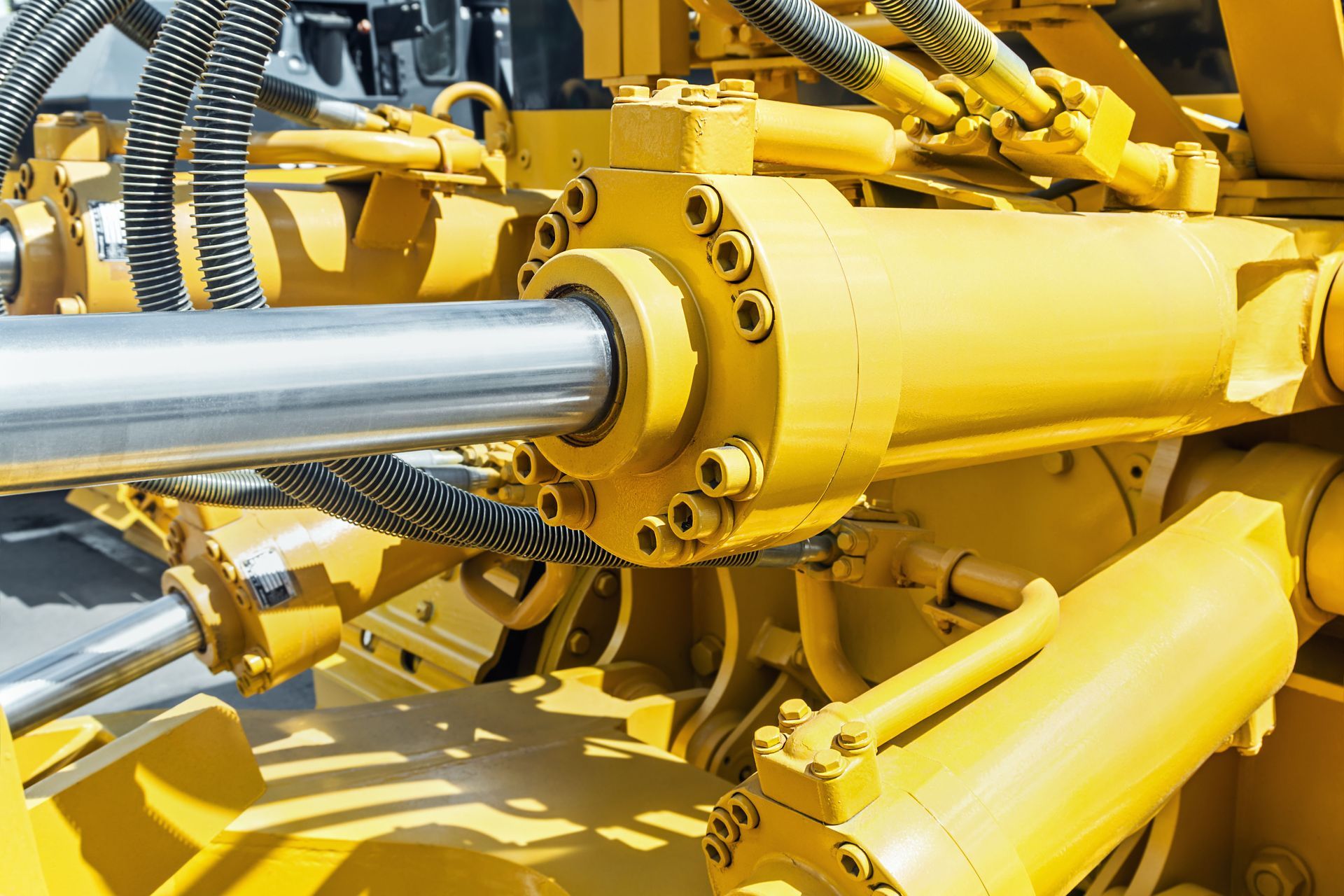
A hydraulic cylinder functions as a mechanical actuator that converts hydraulic fluid pressure into linear movement. Inside the cylinder body, a piston travels back and forth within a sealed chamber while a rod transfers force to the machinery performing the work. When pressurized fluid enters one side of the chamber, the piston moves and produces motion. This controlled movement allows machines to lift, push, compress, or position heavy components with precision. The ability of a hydraulic cylinder to generate significant force while maintaining accurate control is what makes it valuable in demanding industrial environments. Because hydraulic fluid distributes pressure evenly throughout the system, operators can regulate motion with a high degree of consistency, allowing complex equipment to perform tasks that require both strength and accuracy.
The internal components of these systems must be engineered with precision to ensure consistent performance. The barrel houses the moving parts and must withstand high internal pressure without distortion. The piston creates a seal that separates chambers, allowing fluid pressure to create motion efficiently. The rod transmits that force outward to perform the required mechanical task. Each hydraulic cylinder must be designed with durable materials and proper surface finishing to reduce friction and wear, ensuring smooth operation over extended periods of use. Careful machining and tight tolerances help prevent leaks and maintain the pressure levels needed for reliable mechanical output.
Different configurations allow these devices to serve a wide range of functions. Some systems are designed for straightforward pushing motion, while others are built for repeated extension and retraction cycles. Telescopic designs can extend much farther than their retracted length, making them useful in applications where space is limited but movement distance is critical. Through thoughtful engineering and application-specific design, a hydraulic cylinder can support everything from heavy construction equipment to automated manufacturing machinery. This versatility allows industries to adapt hydraulic technology to unique operational requirements while maintaining dependable performance across many types of machinery.
Explore Industrial Applications
Hydraulic systems appear in a wide variety of industries because they offer power, precision, and durability. In construction, heavy machinery relies on a hydraulic cylinder to lift loads, move earth, and operate attachments with stability. Agricultural equipment uses hydraulic force to adjust implements, control harvesting tools, and manage soil preparation equipment. In each of these environments, hydraulic technology enables machines to operate efficiently while handling significant workloads.
Manufacturing facilities depend on hydraulic equipment for forming, stamping, and material handling operations. Industrial presses, assembly equipment, and conveyor mechanisms all benefit from controlled linear motion that can be adjusted to meet specific production requirements. The ability to apply consistent pressure improves manufacturing accuracy and helps maintain uniform product quality. Engineers often integrate hydraulic actuation into automated systems where precision and repeatability are essential.
Automation has expanded the influence of hydraulic technology across modern production lines. According to Neeljym.com, hydraulic automation can increase production speed by as much as 50% while maintaining consistent quality standards. A well-designed hydraulic cylinder supports these improvements by delivering dependable force in repetitive industrial processes. As manufacturers continue adopting automated systems, hydraulic equipment remains a crucial component in achieving higher productivity and smoother workflow integration.
Evaluate Design And Construction
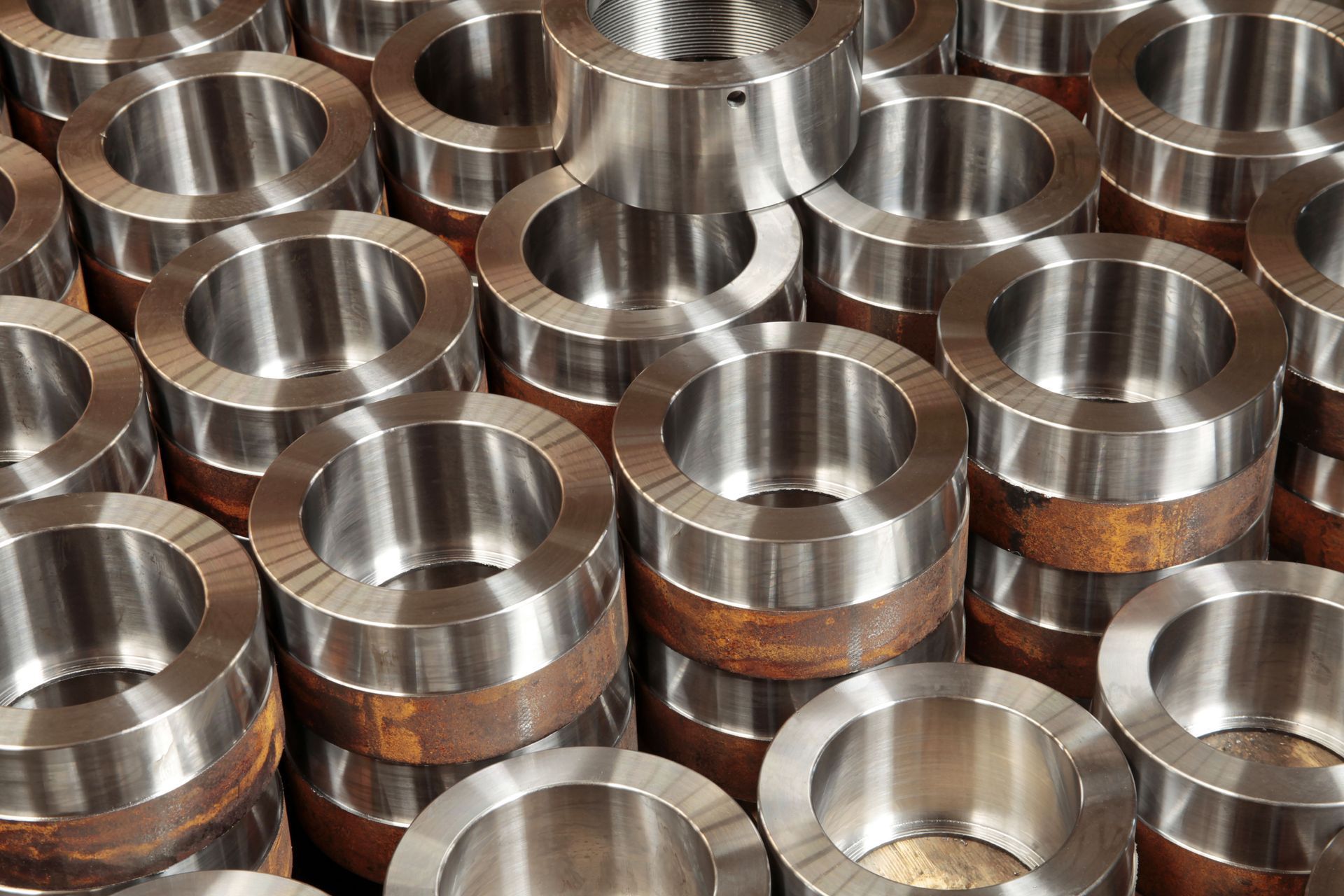
Designing hydraulic systems requires careful attention to materials and construction techniques. The barrel and rod must endure significant pressure and repeated motion while resisting corrosion and surface damage. Engineers frequently select hardened steel and specialized coatings to improve durability and maintain sealing performance. The overall structure of a hydraulic cylinder must support consistent internal pressure without deformation, ensuring the equipment maintains reliable force output during demanding operations. Surface treatments such as chrome plating or nitriding are often applied to rods to strengthen resistance to abrasion and environmental exposure, helping the system perform reliably in industrial settings where equipment operates continuously.
Another critical design factor involves determining the correct size and motion capability for the system. The internal diameter of the cylinder affects the amount of force generated, while the rod design influences retraction strength and movement stability. Engineers must balance performance requirements with space limitations and machine compatibility. When these elements are properly calculated, a hydraulic cylinder can deliver optimal performance without unnecessary energy consumption or mechanical strain. Careful planning during the design stage allows the system to match the demands of specific machinery, supporting smoother operation and reducing the likelihood of mechanical stress that could shorten equipment life.
Seal technology further determines long-term reliability and operational efficiency. Internal seals maintain pressure by preventing hydraulic fluid from leaking across chambers, while external seals block contaminants that could damage moving components. High-quality sealing systems reduce friction and extend service life, supporting smoother mechanical performance. Engineers often select specialized elastomers and precision-formed seal profiles to handle pressure fluctuations and temperature changes. Through thoughtful design choices and modern engineering practices, manufacturers can create hydraulic equipment that remains dependable even in harsh industrial conditions.
Maintain And Monitor Hydraulic Systems
Routine maintenance plays a key role in preserving the effectiveness of hydraulic equipment. Regular inspections allow technicians to identify worn components, fluid leaks, or surface damage before they develop into serious problems. Cleaning and lubrication practices keep moving parts operating smoothly and help minimize friction within the system. By maintaining these essential service routines, organizations can extend the lifespan of equipment and maintain consistent operational performance. Establishing structured maintenance schedules helps ensure that inspections occur at appropriate intervals, allowing technicians to track wear patterns and replace components before they compromise the system’s reliability.
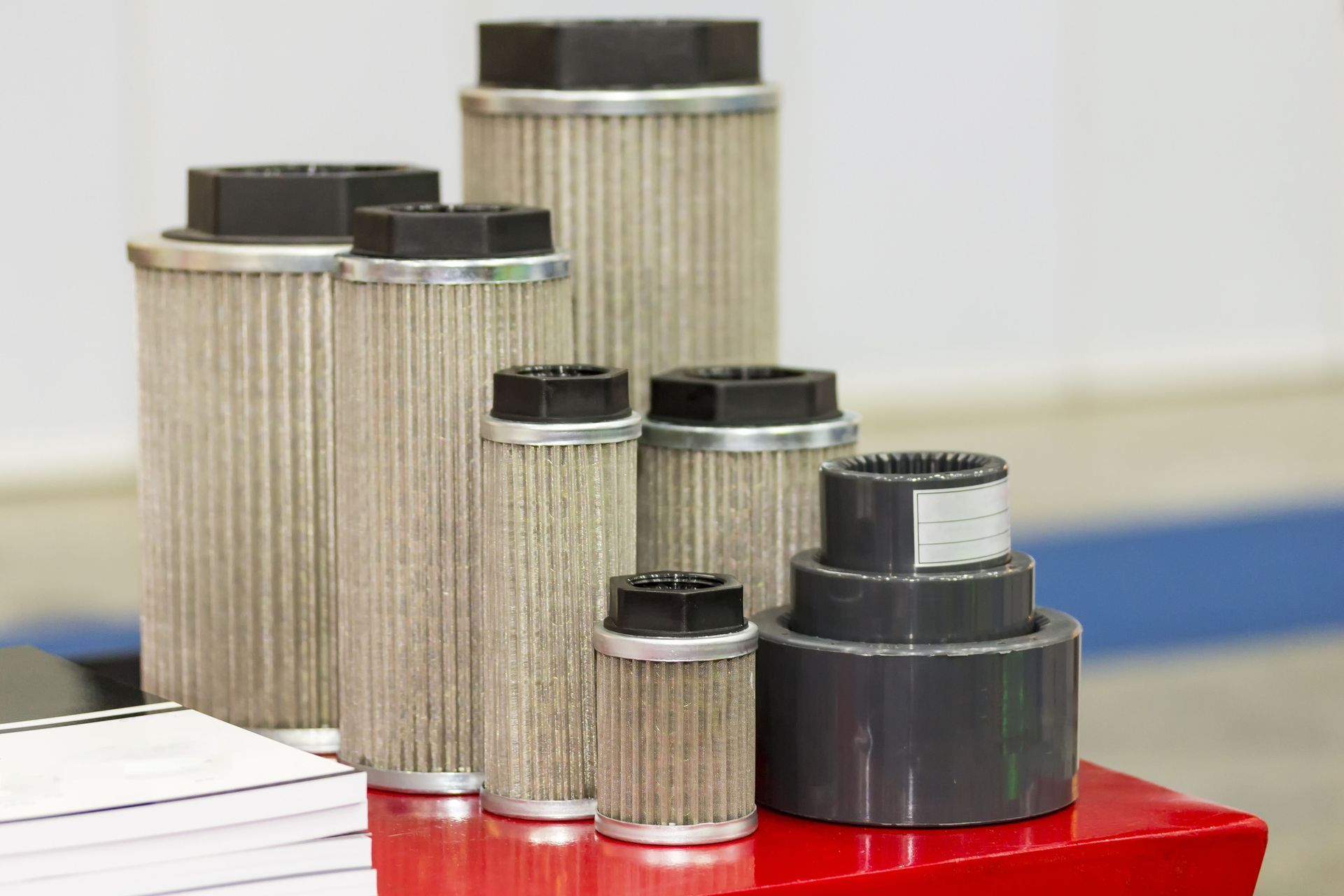
Hydraulic systems may occasionally experience issues such as contamination, misalignment, or air intrusion. Contaminants entering the hydraulic fluid can damage internal components and reduce system efficiency. Misalignment can cause uneven wear on seals and rods, while trapped air may disrupt pressure balance within the system. Addressing these concerns through systematic troubleshooting helps restore proper function and prevents unnecessary downtime in industrial operations. Proper filtration systems and fluid management practices play an important role in limiting contamination and preserving the quality of the hydraulic fluid circulating through the equipment.
Modern monitoring technologies allow operators to evaluate system health with greater accuracy. Sensors can track pressure, temperature, and motion patterns to reveal early signs of wear or abnormal operation. When integrated into maintenance planning, this data helps technicians schedule service before problems escalate. Digital monitoring platforms may even provide automated alerts when operating conditions move outside acceptable ranges. Effective monitoring ensures that each hydraulic cylinder continues operating at peak performance while supporting consistent productivity across industrial processes.
Industrial productivity depends on equipment that can deliver both strength and precision. Hydraulic systems provide this balance by converting fluid pressure into controlled mechanical force, enabling machines to perform demanding tasks reliably. As industries continue evolving with automation and advanced engineering, hydraulic technology remains essential for maintaining efficiency and operational stability. Organizations seeking dependable hydraulic solutions can benefit from expert support and specialized service. At Rivas Hydraulics LLC, we help businesses maintain and optimize their systems, and we invite you to contact us so we can keep your hydraulic equipment performing at its best.